
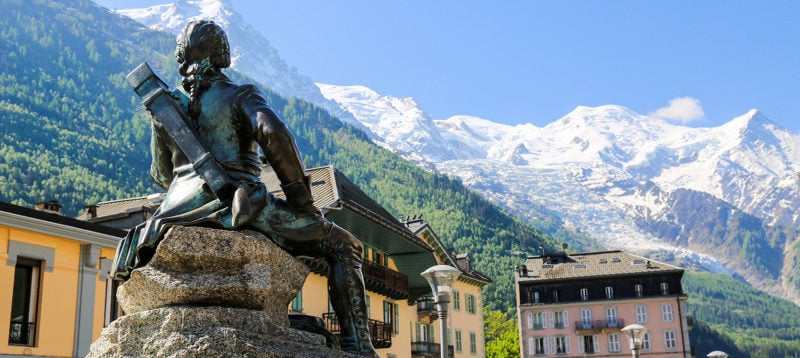
We’ve created a complete guide to Chamonix, covering everything you need to know if you’re thinking of visiting. One of the advantages of working with Chamonix All Year is our close relationships with local experts, from mountain guides to business owners. We’ve gathered their insights and combined them with our own experience to bring you practical, up-to-date advice.
The guide is divided into four parts, each focusing on a key aspect of visiting the valley:
In the second post of our guide to Chamonix we will talk about winter; it is what Chamonix is most famous for and for good reason, the skiing, the snowboarding and other activities like ice climbing and husky dog rides. Despite this Chamonix is a popular summer destination attracting more visitors per day than in winter.
Chamonix in summer, is it really that good?
Chamonix is world-famous for winter, but summer is when the valley truly opens up.
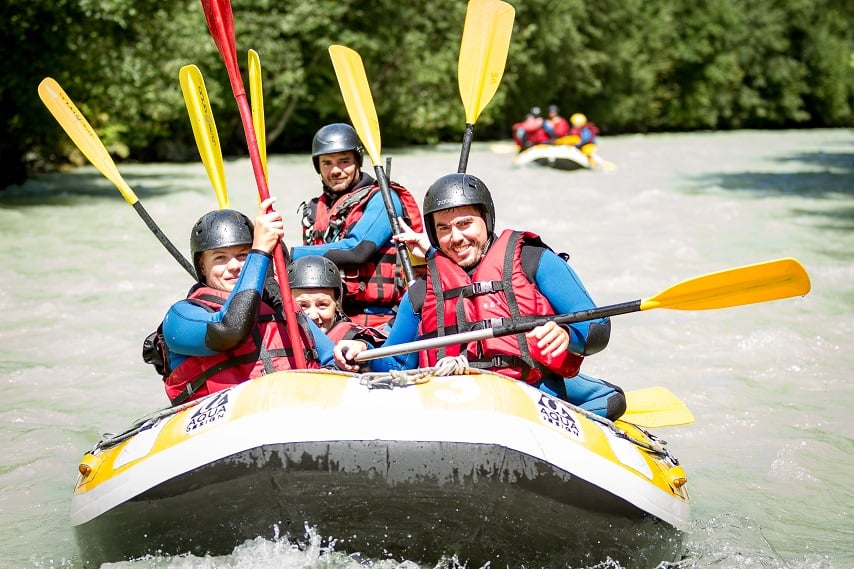
The mountains that draw skiers each winter become a vast playground once the snow melts. From mountaineering and hiking to mountain biking, climbing, via ferrata and white water rafting, there is no shortage of ways to be active.
You don’t have to be an expert either. There are hundreds of marked trails throughout the valley, ranging from gentle riverside walks to high alpine routes. Wherever you go, dramatic views are never far away. And above it all, Mont Blanc remains snow-capped year-round — a constant, breathtaking backdrop to every summer day.
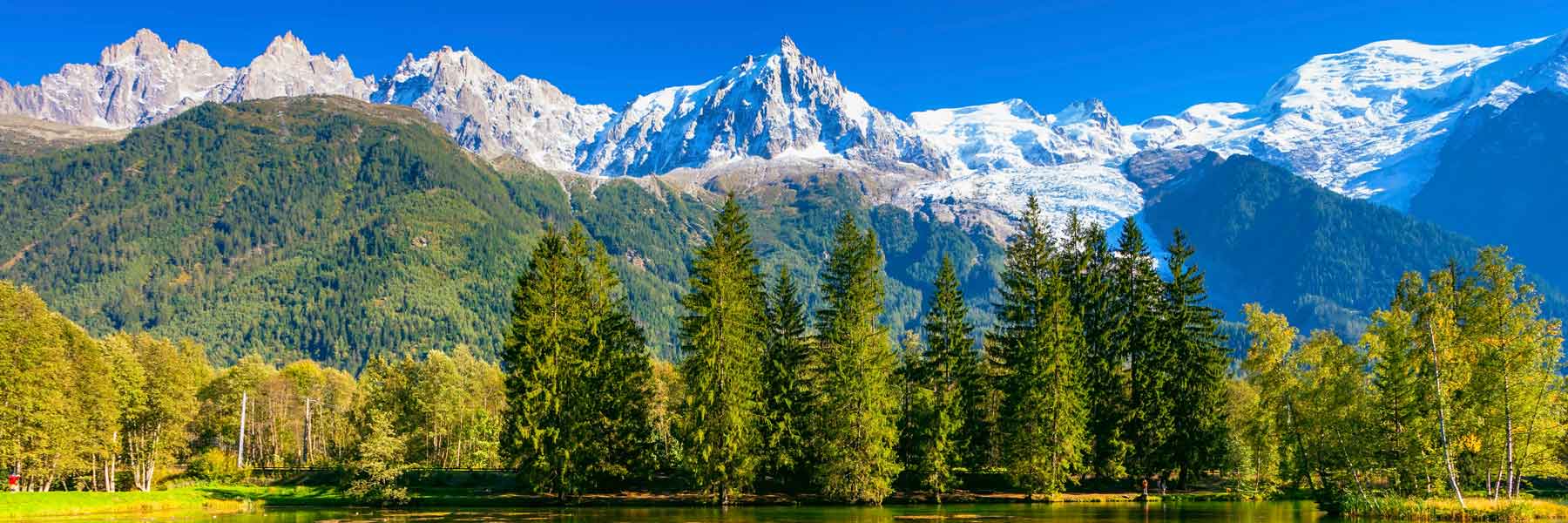
For those who prefer something a little less adrenaline-fuelled, summer in Chamonix can be wonderfully relaxed. There are weekly markets to wander through, an 18-hole golf course in Les Praz, wine tastings, open-air swimming, and plenty of wellness facilities if you’d rather slow the pace. Music lovers should also look out for the Cosmo Jazz Festival, where live performances take place in spectacular mountain settings.
The summer calendar is busy, with major sporting events drawing visitors from around the world. The Marathon du Mont Blanc takes place in June, offering several race distances with dramatic alpine backdrops. Later in the season, the Ultra Trail du Mont Blan transforms the valley into the global centre of trail running, with thousands of athletes tackling routes that circle the Mont Blanc massif.
Chamonix also works exceptionally well as a family destination. Teenagers and adults often enjoy the same outdoor activities, while younger children are equally well catered for. There are gentle hikes for all levels, an adventure tree park, wildlife parks, and several well-equipped play areas.
Where to Eat and Drink in Chamonix
For many people, food is a huge part of a summer holiday. Chamonix does not disappoint. From excellent bakeries to Michelin-starred restaurants, this mountain town offers something for every appetite.
The local cuisine is Savoyard. It is often associated with winter, but many dishes are enjoyed all year round.
Raclette is perhaps the most famous. A wheel of cheese is heated, then melted cheese is scraped directly onto your plate. It is served with cured meats, potatoes and bread. Some restaurants use individual machines, but the traditional method involves a half wheel of cheese melted over an open flame.
Tartiflette is another classic. It combines potatoes, reblochon cheese, onions and bacon. It is rich, comforting and perfect after a day in the mountains.
You will also find traditional cheese fondue, croûtes and other Savoyard specialities in many local restaurants.
Chamonix is not limited to regional food. The town has a wide choice of international cuisine, including Japanese, Italian, Chinese, Indian and Thai. If fine dining is more your style, the Michelin-starred restaurants at Hôtel Albert 1er are a reliable choice.
In summer, ice cream becomes essential. There are several excellent spots in the town centre, perfect for a post-hike treat.
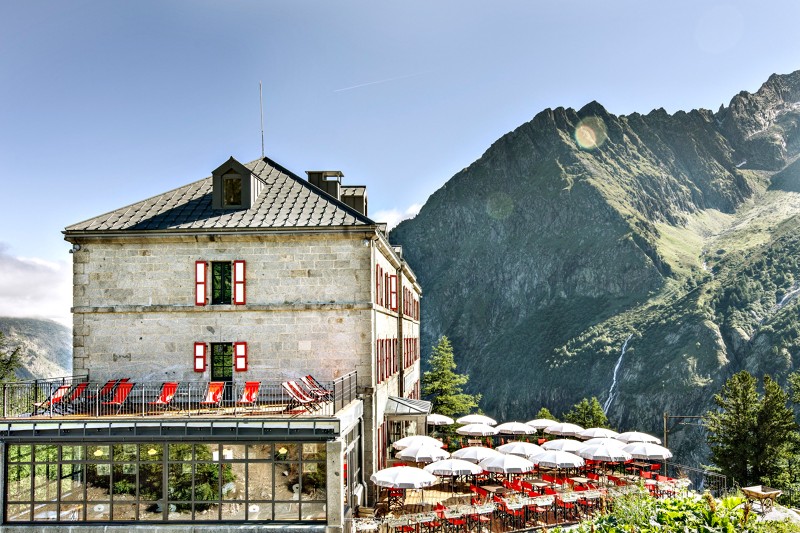
A few local favourites include Munchie, L’Impossible, Bizes and La Crèmerie du Glacier. The latter sits at 1,300 metres, tucked away in the forest, and is ideal for Savoyard dishes in a mountain setting. For families, Rockypop is popular thanks to its relaxed atmosphere and play area. If you prefer to dine at altitude, our guide to Chamonix mountain restaurants highlights the best spots for lunch with a view.
Getting Around
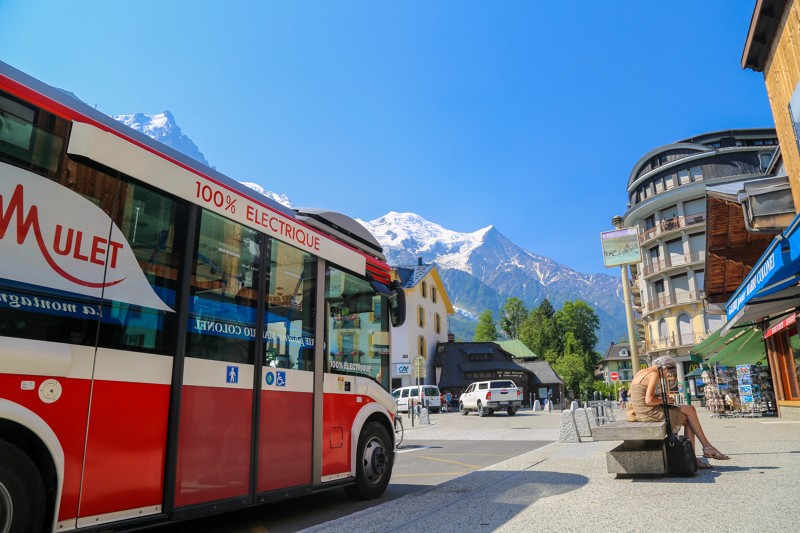
If you are staying in central Chamonix, you do not need a car. The public transport network is easy to use and connects the entire valley.
Local buses run from Servoz up to Le Tour. In summer, there are also bike-friendly buses serving key mountain biking areas such as Les Houches and Le Tour. With your guest card, provided by Chamonix All Year, you benefit from discounted or free travel within the valley.
The local TER train runs from Le Fayet to Martigny in Switzerland, with a change required at Vallorcine for cross-border journeys. Between Servoz and Vallorcine, the train is free with your guest card. Bikes are generally permitted on board, although space can be limited during busy periods.
With reliable buses, trains and walkable village centres, getting around Chamonix in summer is straightforward and stress-free.
Exploring the Region
Chamonix is situated in a nook between Switzerland and Italy allowing access across all three countries within 45 minutes. There is plenty of hiking and mountain biking over both borders and plenty of day trips to take.
Indulge in an Italian wine and cheese tasting trip; visit Annecy, Geneva, or head through the Mont Blanc tunnel to explore Italy, activities in the Aosta Valley. Or drive a little further to reach Turin, or even the fashion capital, Milan, less than 3 hrs from Chamonix. A great day trip can also be to take the train to Martigny. How many holidays allow you take in three countries with such ease?!
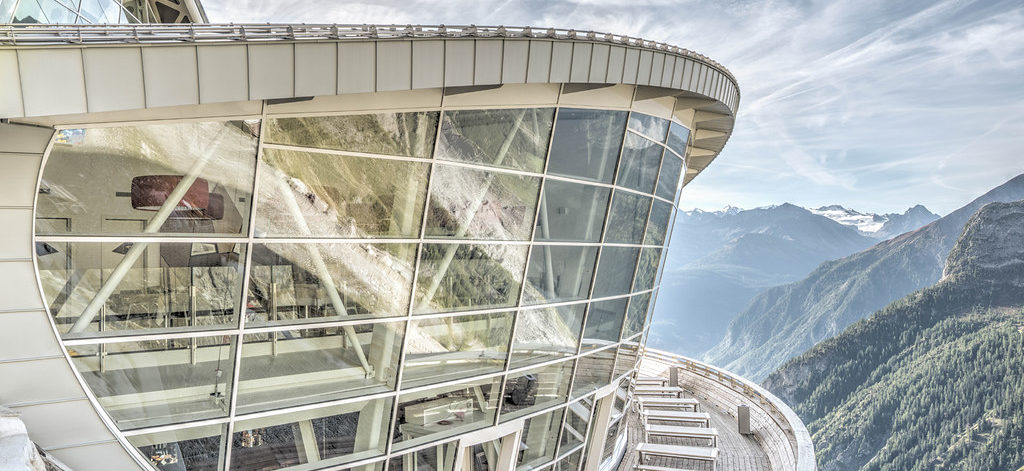
Skyway Monte Bianco in Courmayeur, Italy
=> Move on to the second post in the series: Winter