
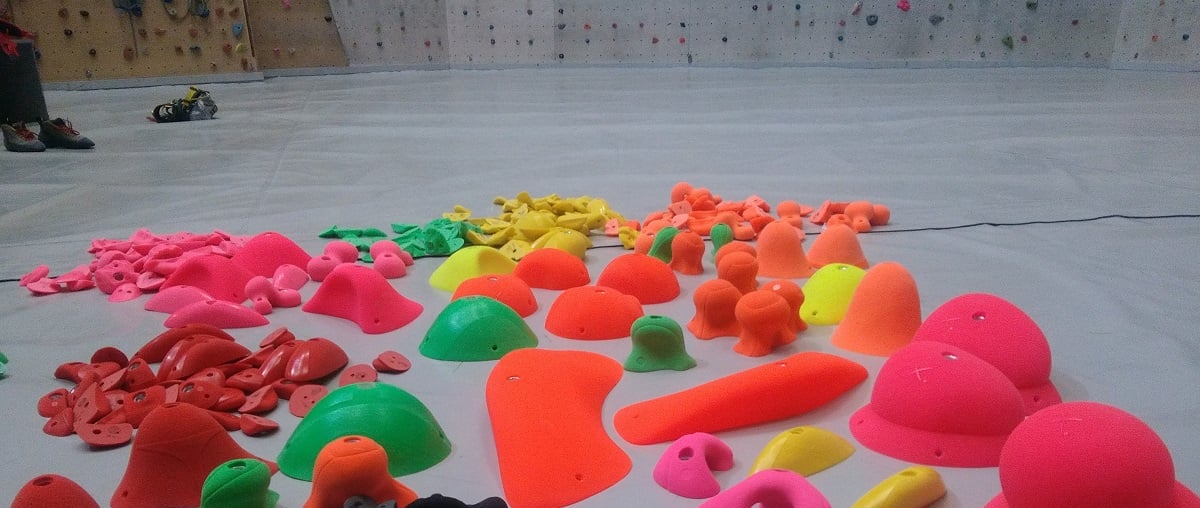
So you’ve arrived in Chamonix and your fingers are already itching to climb. Whether you’re an experienced climber looking for indoor options, or a complete beginner fresh out of the chalk bag, this guide is for you.
Indoor climbing in Chamonix: where to start
We’ll cover the basics of indoor climbing, explain the French grading system, and introduce the main indoor climbing gyms in and around Chamonix.
Bouldering vs sport climbing
Bouldering is climbing without a rope, usually on shorter walls above thick safety mats. Falls are expected, and climbers are often supported by friends acting as spotters to help guide a safe landing.
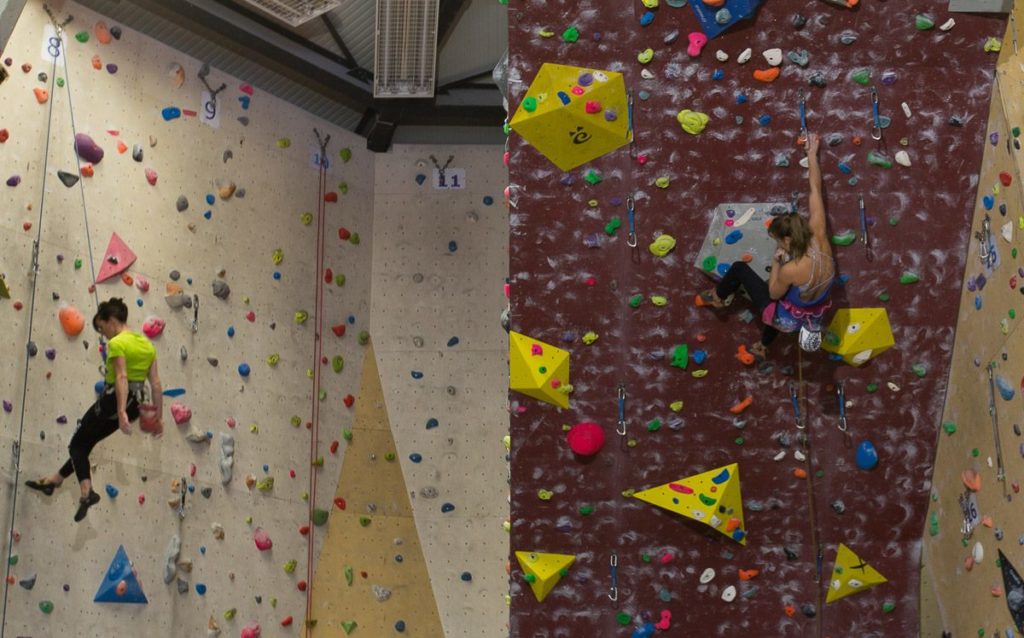
Sport climbing uses ropes and a harness. In a top-rope setup, the rope is already fixed at the top of the route. This means you are supported at all times by a partner managing the rope below, known as the belayer.
As you progress, you may also hear about lead climbing. This is a more advanced technique where the climber clips the rope into bolts as they climb. It requires experience and good rope-handling skills.
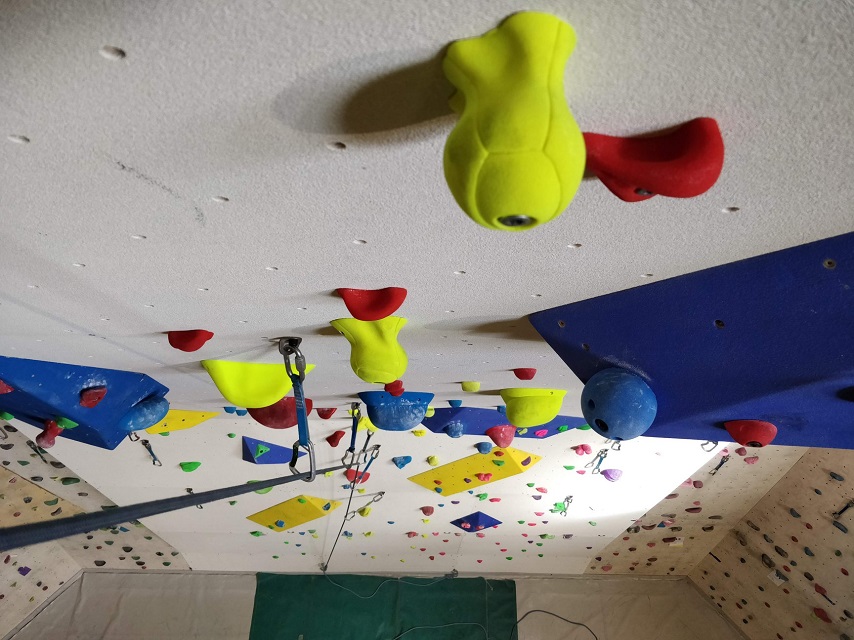
Understanding climbing grades
Climbing grades help you choose routes that match your ability. They take into account technical difficulty, strength, endurance, and sometimes exposure or risk.
If skiing grades make more sense to you, think of it like choosing between a green piste and an off-piste descent from the Aiguille du Midi.
French grading for sport climbing
The French system uses numbers and letters, such as 4a, 4b, 4c, 5a, and so on. A “+” indicates a route that is slightly harder than the grade but not quite the next one up.
For beginners, grades between 3 and 4 are a good place to start. At the top end, the world’s strongest climbers are currently climbing routes around grade 9b.
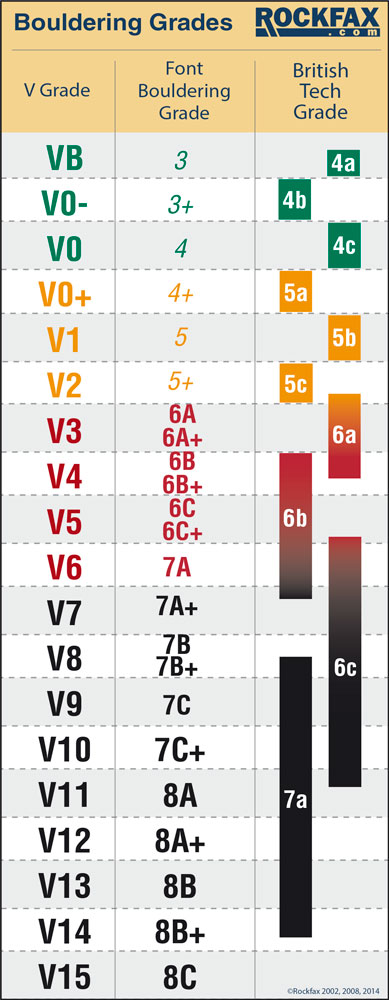
You can find detailed explanations and comparison tables on the RockFax website.
French grading for bouldering
Bouldering grades in France use the Fontainebleau scale, often called the “Font scale”. This system is widely used across Europe and focuses on technical difficulty and movement rather than exposure or risk.
Indoor climbing gyms in and around Chamonix
Le Topo Mont Blanc (Saint-Gervais)
Located down the valley near Passy, Le Topo is well worth the short drive. This modern gym offers more than 2,000 square metres of climbing, with something for every level.
You’ll find auto-belays, top-rope routes, lead climbing, and extensive bouldering areas. There is also a dedicated children’s zone, training areas, and a spray wall. Equipment rental is available, and different membership options help reduce entry costs.
After climbing, you can relax in the on-site bistro or terrace. Showers and changing rooms are also available.
Mont Blanc Escalade (Les Houches)
This large indoor climbing gym offers top-rope and lead routes from grade 4 to 8, as well as a bouldering area. Routes are colour-coded and clearly marked, making it easy to find something suitable.
Beginners must book an introductory lesson, which includes an instructor and all rental equipment. Shoes are compulsory. There is also a café on site, seating with views of the climbing walls, and showers.
Opening hours vary depending on weather, so it’s best to check their social media before visiting.
ENSA
ENSA is the National School of Ski and Mountaineering. Its climbing facilities are excellent but not open to the public. Access is only available through the Chamonix Sports Club, with limited evening sessions during winter.
No equipment rental is available.
EMHM
The EMHM climbing wall belongs to the French army and is also private. It is particularly popular for bouldering and includes access to fitness equipment.
Membership runs on an annual basis, although shorter options may be available. No equipment rental is offered.
Making the most of climbing in Chamonix
Enjoying climbing in Chamonix comes down to preparation. Book sessions in advance where possible, especially in busy periods. Bring water, snacks, or money for food, as staying fuelled is part of staying safe.
If indoor climbing has whetted your appetite, take a look at our summer activities guide for outdoor climbing options in the Chamonix valley.
For outdoor climbing in Chamonix options, look at our summer activities guide.