
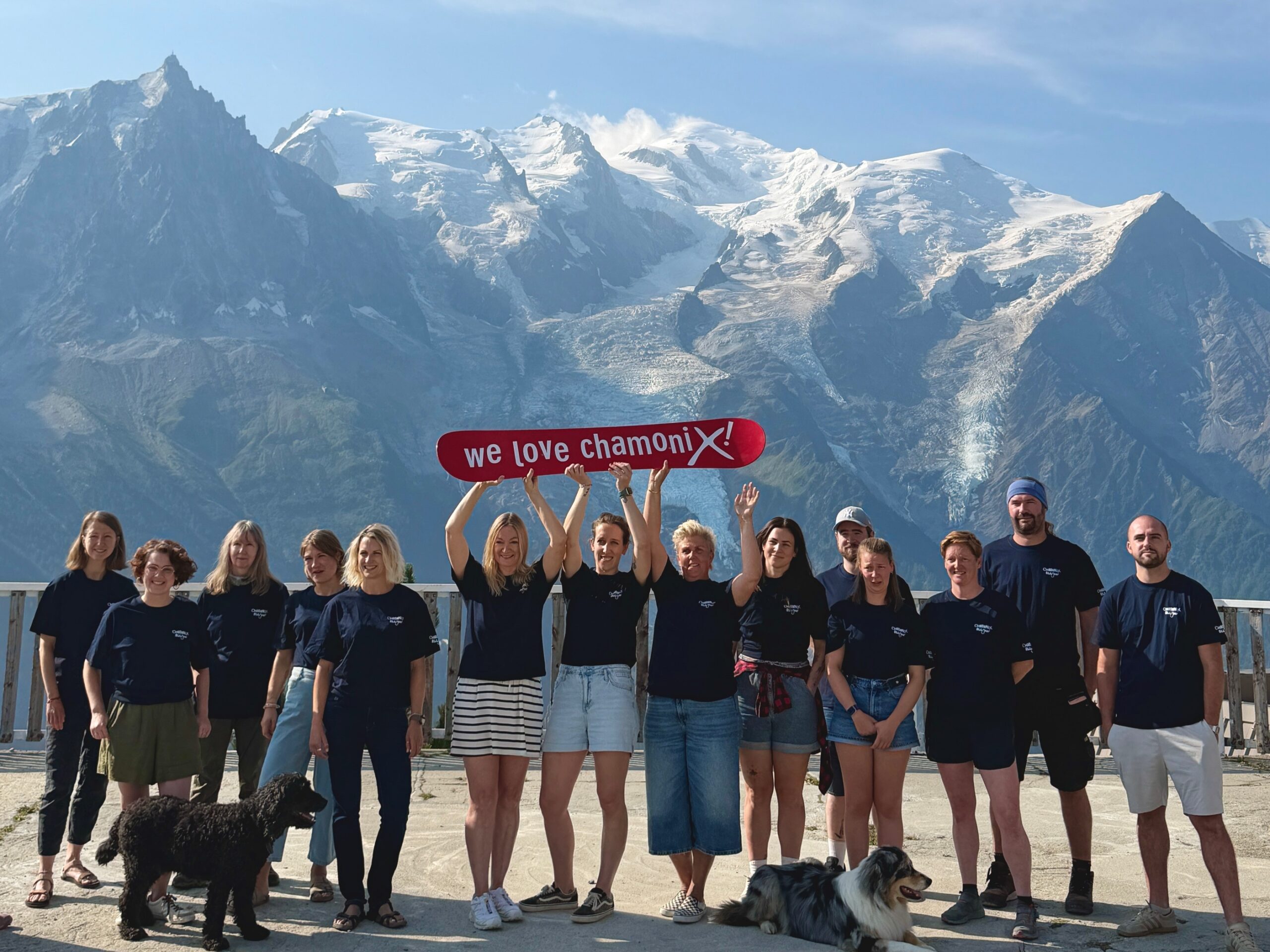
Chamonix is one of those places people fall for quickly and then spend years coming back to. It is also a place that catches first-timers out, usually in small ways that are easy to avoid if you know about them beforehand.
What to know before visiting Chamonix, at a glance
- Chamonix is a working town rather than a purpose-built resort, and the lifts are spread along roughly 20km of valley.
- The town sits at just over 1,000m, but the cable cars reach close to 3,900m, so altitude needs some care.
- Mountain weather changes quickly, so keep the big scenic days flexible rather than fixed.
- Decide which lift pass suits your trip before you arrive rather than at the ticket window.
- The Aiguille du Midi runs on timed slots and needs booking ahead in high season, even with a pass.
- You do not need a car. The valley train and buses reach every village and lift station.
- Every season here is a different holiday, and some lifts close for maintenance in parts of May and November.
- Peak weeks and the UTMB period in late August are booked months in advance.
Chamonix and the valley villages
Most Alpine resorts were built to serve the lifts above them. Chamonix already existed, and it still runs as a town rather than as a resort. There is a hospital, a cinema, several supermarkets, schools and a Saturday morning market, and a good number of restaurants stay open through the quiet weeks when a purpose-built resort would be shuttered.
That atmosphere is a large part of why people come back. It also means the lift stations are spread along roughly 20km of valley between Les Houches and Vallorcine, so you have several different ski areas and trail networks to choose from, linked by the valley train and the buses. Where you stay shapes your days, and each village has its own character, which we go through in our guide to where to stay in Chamonix.
Altitude in Chamonix, and how to handle it
The town is at just over 1,000m, which causes no difficulty for the vast majority of visitors. The lifts are a different matter. The Aiguille du Midi cable car climbs from the middle of town to 3,842m in about twenty minutes, so it is possible to have breakfast in the valley and be standing in thin, very cold, very bright air before eleven.
Drink more water than you think you need from the day you arrive, and give yourself a day at valley level before taking the highest lifts. Move slowly at the top stations, sit down if you feel light-headed, and wear sunglasses and sunscreen whatever the temperature, because the combination of altitude and snow reflection burns people who would never burn at sea level. Young children and anyone with a heart or respiratory condition should look at the restrictions on the cable cars before building a day around one.
Chamonix weather changes fast
Mountain weather does not behave like the forecast on your phone suggests it will. Cloud often sits on the valley floor while the summits above are in clear sun, and the reverse happens just as often, so a grey morning in town tells you very little about conditions at 2,000m.
The workable approach is to keep your big scenic days flexible and go on the good mornings rather than the days you had pencilled in before you left home. Check the weather forecast each evening and look at the webcams before you commit to anything the next morning, since the cameras show you what is actually happening on the tops. Bring layers in every season. Even summer visitors may get into a cable car in shorts and step out into snow.
Choosing a Chamonix lift pass
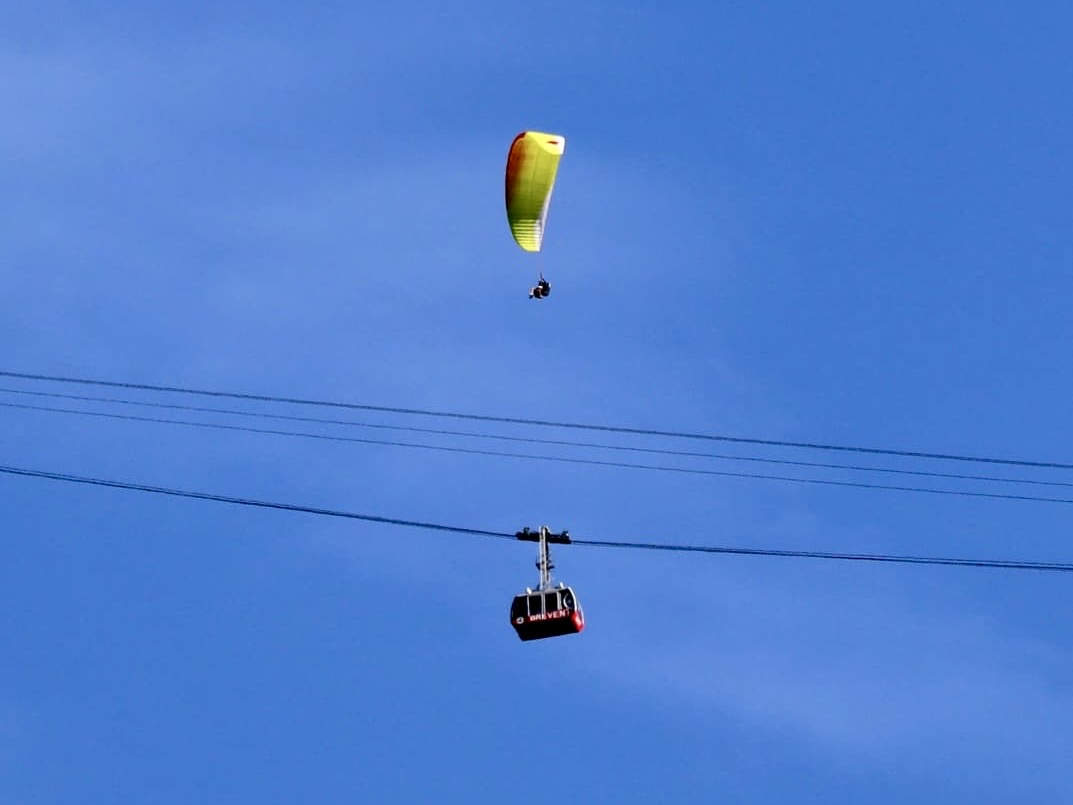
There are several passes covering different combinations of lifts, mountains and valley transport, alongside single tickets for the individual excursion sites, and the sensible choice depends on how many days you have and how much riding you actually intend to do. Someone here for two nights who wants one memorable trip up the mountain is usually better off with a single ticket. Someone planning several mountain days will generally do better with a multi-day pass.
It is worth ten minutes at home rather than a decision made in a queue at the ticket window. Our pages on summer lift passes and Chamonix ski passes set out what each option covers, and you can book through our resort shop before you travel.
Booking the Aiguille du Midi and the Mer de Glace
The Aiguille du Midi runs on timed slots, and holding a lift pass does not remove the need to book one. In July and August those slots are gone well before the day, and visitors who turn up hoping to walk on are frequently disappointed.
The Mer de Glace and the Montenvers train work similarly, and both sites are considerably more pleasant early. Taking the first departure of the day rather than a mid-morning one changes the experience of the glacier viewing platform quite a lot in high season. Booking early slots also leaves your afternoons open for whatever the weather turns out to allow.
Getting around Chamonix without a car
The valley has a train line running its full length and a frequent bus network connecting the villages and lift stations. We give you a carte d’hôte when you arrive, the valley guest card, which covers the Mont-Blanc Express train between Servoz and Vallorcine, reduces bus fares, and gets you discounts at the swimming pool, the ice rink and several museums. Fill it in as soon as you get it and keep it with you, because it is one of the more useful things you will carry all week. If you are here to ski, the valley buses are free with a lift pass instead.
Parking in the centre of Chamonix is limited and gets slow during peak weeks. If you do drive out, the usual advice is to park the car for the duration and use the valley transport rather than driving between lift stations each morning. Geneva is the nearest airport and the transfer is short by Alpine standards; details are on our Geneva to Chamonix airport transfers page, with rail and driving routes covered under travelling to Chamonix. Anyone approaching from Italy should check the Mont Blanc Tunnel status before setting off, since maintenance work and night closures are common in autumn. Local buses, trains and timetables are covered in transport in Chamonix.
The best time to visit Chamonix
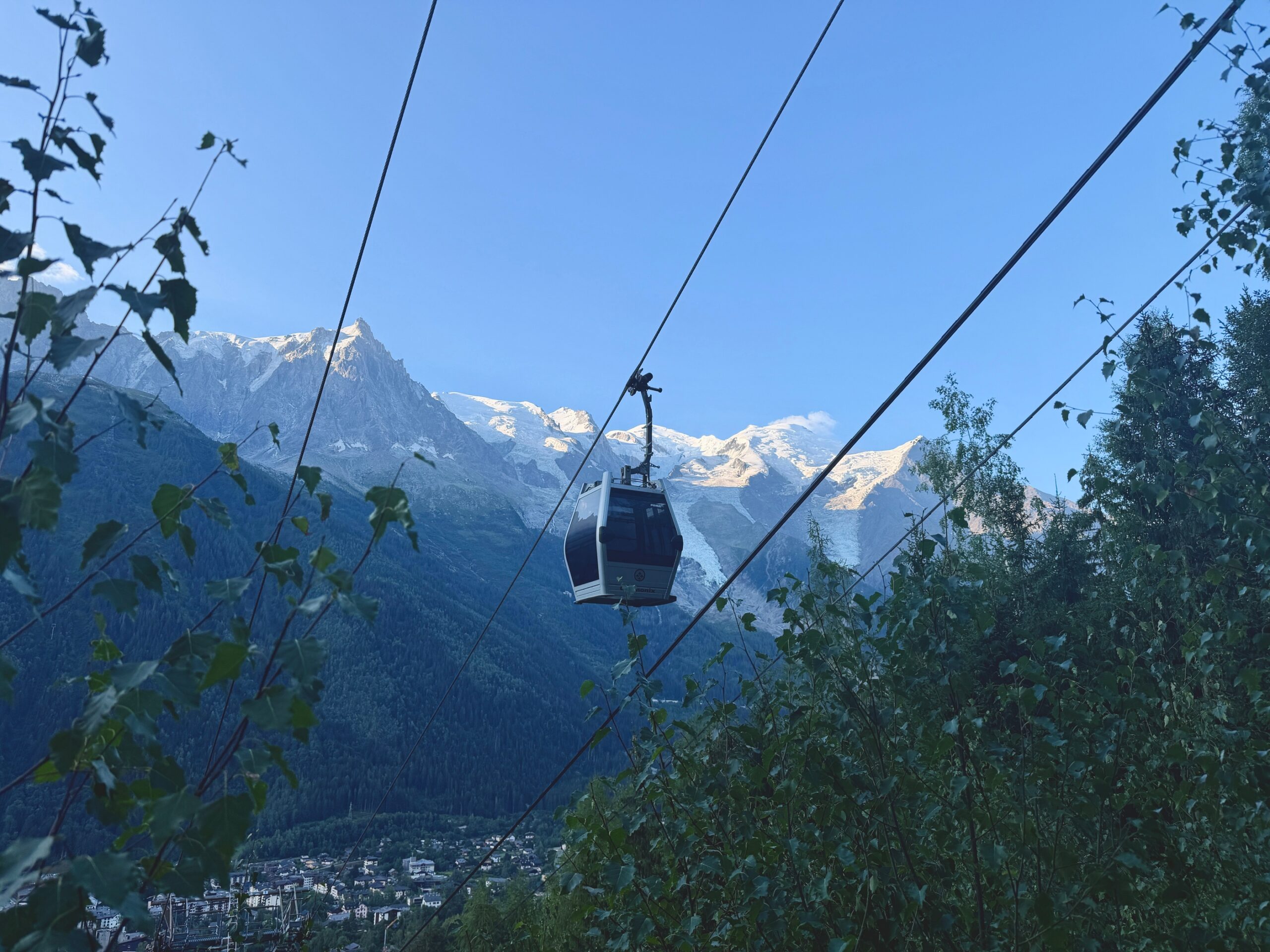
Winter runs from December to April and covers everything from the gentle family slopes at Les Houches to some of the most serious off-piste terrain in Europe, along with snowshoeing, spa afternoons and long lunches at the mountain restaurants.
Summer, roughly late June to mid-September, brings hiking, trail running, climbing, rafting and paragliding, with the lifts doing most of the ascent for you. There is a fuller account in what to do in Chamonix in summer, and if this is not your first trip, our guide to first, third and fifth visits looks at what to do once the headline sights are behind you.
Spring and autumn are quieter, cheaper and often very beautiful, with far fewer people on the trails and much better accommodation availability. The trade-off is that lifts and mountain sites close for maintenance between the seasons, generally for parts of May and November, so check what is running if your trip depends on a particular excursion. Our guide to four seasons, one valley goes through the year in more detail.
When to book Chamonix accommodation
Christmas, February half-term and the peak summer weeks fill up well in advance, and the properties that go first are the ones people want most. Late August deserves particular mention, because the UTMB trail running week fills the town completely and accommodation for those dates is taken many months ahead. It is a remarkable week to be here if you know it is happening and a difficult one if you were expecting quiet.
Groups should start earlier still, as larger properties are limited in number. The options are covered in Chamonix stays for groups. On price and flexibility, booking direct is generally the better route, which we explain in why booking direct is better.
Mountain safety around Chamonix
Chamonix gives ordinary visitors remarkably easy access to high-mountain terrain. A cable car will take you in street clothes to the edge of glaciated ground that needs proper equipment and experience, and from the top station the boundary between the two is not always obvious.
Marked hiking trails and pisted ski runs need no special expertise. Glaciers, off-piste snow and anything involving a rope need either a qualified guide or the training and equipment to be there independently. Hiring a guide is entirely normal here and is how most visitors do the well-known routes. Winter options are on our ski lessons and guiding page, and there is a wide range of walking for every level in hiking and walking in Chamonix.
Practical things to know before you go
Language
French is the local language and English is widely spoken. Saying bonjour when you enter a shop is expected and appreciated.
Money
Euros. Cards are accepted almost everywhere, though mountain refuges may want cash.
Opening hours
Some smaller shops still close for a long lunch.
Tourist tax
A small nightly charge applies to all visitors and funds the valley services you will be using.
Borders
Switzerland and Italy are both close by. Carry photo ID if you plan to cross.
Dogs
The valley is very dog-friendly, with some restrictions on the lifts. See our pets page.
Frequently asked questions
How many days do you need in Chamonix?
Four or five nights suits a first visit. That allows two or three weather-dependent mountain days plus time in the town without rushing. A long weekend works if you accept you might only get one clear day.
Is Chamonix expensive?
Lifts, eating out and equipment hire all add up, as they do anywhere in the Alps. Chamonix is easier on a budget than many resorts because it has ordinary supermarkets, a wide range of restaurants at different price points and plenty of self-catered accommodation. Shoulder-season trips cost noticeably less.
What is the best time of year to visit Chamonix?
January to March for skiing, late June to mid-September for hiking and summer activities. Late spring and autumn are quieter and better value, provided you check which lifts are open.
Is Chamonix good for beginners and families?
Yes. Les Houches has gentle skiing, and there are family-friendly lifts, walks and activities along the valley. The high-mountain reputation is deserved, but it sits alongside a good deal of easy terrain.
Do I need a car in Chamonix?
Not usually. The train and bus network reaches every village and lift station, and your guest card makes it cheap or free. A car is useful for day trips further afield.
How high is Chamonix?
The town is at just over 1,000m, so altitude is not a concern at valley level. The lifts take you a great deal higher.
Can you see Mont Blanc from Chamonix town?
Yes, on a clear day, from a number of points in the valley. The best views are from the lifts and from the villages further up towards Argentière.
Planning your trip
Arrange the accommodation, the lift pass and the timed excursion slots in advance. Leave the rest of the itinerary open for the weather to decide.
We have been looking after guests in this valley for over twenty years. Browse our Chamonix apartments and chalets or have a look at the current special offers. Get in touch if you would like help choosing a base.