
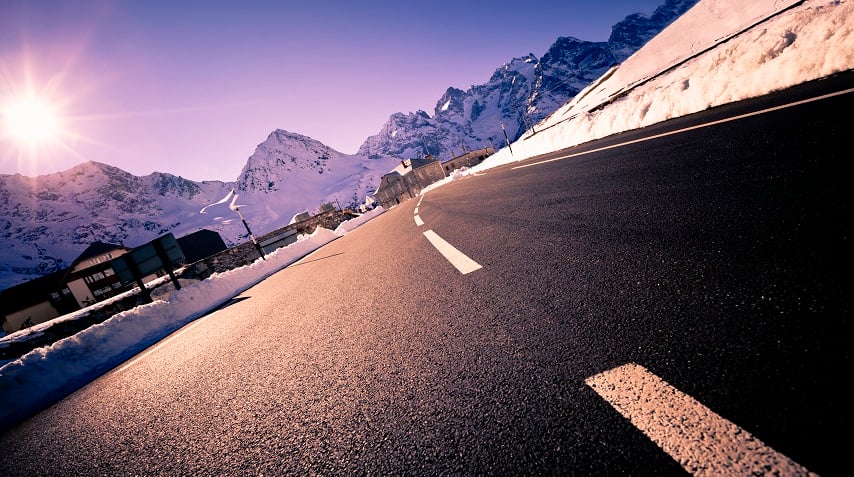
Chamonix is a mecca for extreme sports all year round, which means many of our guests travel with plenty of kit and prefer driving in Chamonix rather than arriving by public transport. Bringing a car makes it easier to pack everything you need, and gives you flexibility once you arrive. To help you stay safe on the roads, we’ve asked Marcus from our transfer team to share his best advice and practical tips for driving in Chamonix during the winter season.
Driving in Chamonix: what to know
Winter temperatures in the valley can drop quickly, especially after dark, and conditions change fast. When you’re driving in Chamonix, you should expect roads to be icy or completely covered in snow throughout the season.
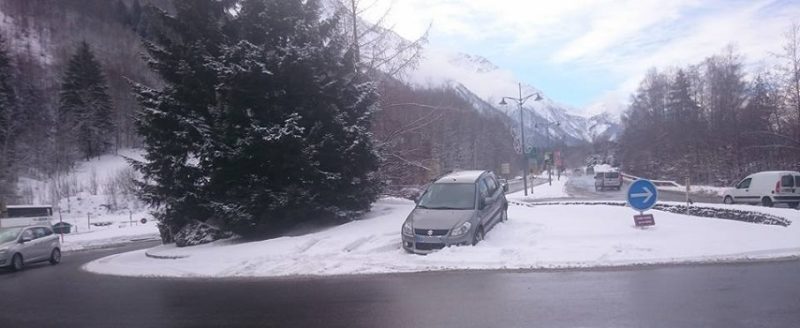
Anyone from the UK will know the chaos that arrives with even the lightest dusting of snow. As soon as 1cm of snow falls, the roads come to a standstill, the schools close, and everything seems to shut down. It doesn’t happen in many countries — but in the UK, it happens every time.
There are several reasons for this, but one stands out as the most important.
The biggest factor in maintaining grip on the road at anything below 7°C is the use of winter tyres. Without going too technical, winter tyres provide far better grip in cold, icy, or snowy conditions. The difference is huge — and if you search for winter tyre comparison videos, you’ll see just how dramatic the results are.
Although France introduced the Loi Montagne II in 2021, winter tyres are not universally mandatory. Instead, in designated mountain zones — including Chamonix — drivers must have winter tyres or snow chains between 1 November and 31 March. This means you are legally allowed to drive with summer tyres as long as you have chains in the vehicle.
Because of this rule, many visitors still arrive in Chamonix with summer tyres during the winter season, especially when hiring a car from nearby airports. Rental companies often include chains instead of winter tyres, which meets the legal requirement but doesn’t offer the same level of everyday grip and safety on icy or snowy roads.
With slippery winter conditions in mind, what should you do when driving in Chamonix?
First and foremost, we can’t recommend winter tyres enough. Four-wheel drive or all-wheel drive might help you pull away, but they do very little for steering or braking on snow and ice. Whether you choose winter tyres or not, tyres that are new — or at least have plenty of tread left — will always give better grip than ones close to the legal wear limit.
You should also carry snow chains that match your tyre size and make sure you know how to fit them. Practise at home before your trip; the last thing you want is to learn how they work for the first time in sub-zero temperatures. With a bit of practice, you’ll be able to fit chains to the driving wheels in under 10 minutes. A top tip is to pack an old pair of gloves in the chain box and bring a bin liner to kneel on.
When you’re driving in Chamonix, always keep extra jackets or blankets in the car, as well as a warning triangle. If you get stuck, you’ll stay warm while you wait, and the triangle will alert other drivers that a vehicle ahead may be blocking the road.
Finally, always think ahead. Sudden inputs — sharp braking, quick steering, or fast acceleration — increase the risk of skidding. Smooth, deliberate movements are the safest way to drive in winter conditions. Find out more about driving to Chamonix.

If you’ve hired a car, make sure it’s properly equipped for winter conditions with winter tyres and snow chains. Rental cars don’t always come with these as standard, so double-check before you set off.
Getting to Chamonix without a car
If you’re nervous about driving in Chamonix in winter, then there’s no need to put yourself through it. And if buying a set of winter tyres just for a holiday isn’t realistic, why worry about it at all?
The good news is that you don’t need a car to enjoy your stay. Getting to the Chamonix valley from Geneva Airport is simple and convenient thanks to the many airport transfer companies offering regular shuttle services. But with so many options available, how do you choose the right one?
Airport transfer companies
Airport transfer companies such as Chamonix Valley Transfers offer reliable, door-to-door transport between Geneva Airport and the Chamonix valley. They will collect you and all your luggage from the arrivals hall, provide child or baby seats at no extra charge, and drop you as close to your accommodation as possible — all at a cost-effective price.
If you prefer to book transfers separately but still want a trusted recommendation, you can easily arrange your airport transport through our Chamonix All Year Resort Shop, which offers curated options from reputable local providers.
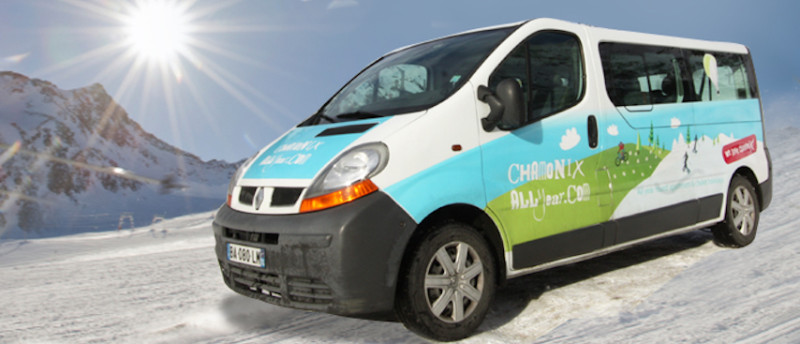
All transfer companies operating in the Chamonix valley ensure their drivers are fully trained for winter driving conditions. They are experienced in fitting snow chains when required, and all transfer minibuses are equipped with winter tyres to keep passengers safe on the slippery roads. Unlike many personal cars, a transfer minibus will also have plenty of room for all your ski equipment and luggage.
If you prefer to avoid flying and transfers altogether — or you want to reduce your carbon footprint — you can also consider travelling to Chamonix by train. It’s a scenic, comfortable, and more sustainable alternative for reaching the valley.
Alternatives to driving in Chamonix valley
Once you arrive in Chamonix by airport transfer, getting around the valley is straightforward — and you may find you don’t need a car at all. With the guest card you receive on arrival, you’ll benefit from reduced fares on trains and buses throughout the valley. In winter, these services run directly to the main ski areas, making it easy to reach the slopes without driving.
We encourage all our guests to make use of public transport in Chamonix where possible, especially if you’re conscious of your environmental impact. It’s a great way to reduce emissions while still exploring everything the valley has to offer.
Find out more about eco-friendly holidays in Chamonix.
Driving in Chamonix
If driving in Chamonix is still the best choice for your group, remember that parking can be limited. There’s also always the risk of someone accidentally damaging your car with an unruly pair of skis or a flailing pole.
To avoid the stress, you may find it easier to rely on a professional transfer service instead. And if you do decide to drive, make sure you follow our tips above for driving in Chamonix when it snows, so you can stay safe in winter conditions.
Many thanks to Marcus and Chamonix Valley Transfers for contributing to this blog. CVT are our transport partners, offering a friendly, reliable and safe door-to-door service between Geneva Airport and Chamonix, with drivers who are highly experienced at driving in Chamonix. You can book trusted airport transfers via our Chamonix Resort Shop.