
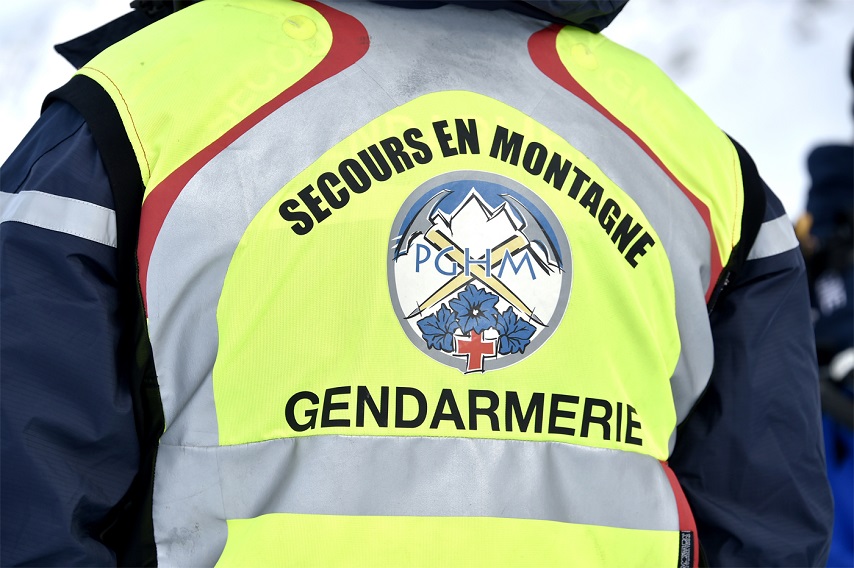
Mountain Safety Instructions
When skiing or snowboarding in Chamonix, safety should always be part of your planning. Accidents are not something anyone expects, but they can happen, even to experienced mountain users. Being prepared before you head out can make a significant difference.
Below is a set of practical guidelines to help you prepare for a day on the mountain. In the event of an incident, Chamonix Mountain Rescue operates year round and responds to accidents across the valley.
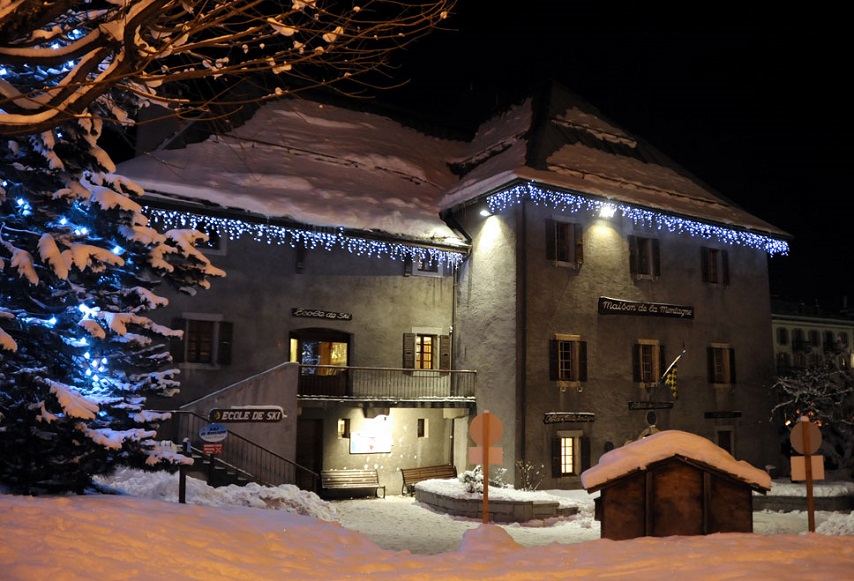
This information is intended as a general guide only. Conditions in the mountains change quickly, and you should always seek up to date, professional advice before heading out. Reliable local sources include the Maison de la Montagne and qualified mountain professionals.
Before Going Skiing
One of the most effective ways to reduce the risk of accidents is to make sure you are properly equipped. Skis and bindings should be correctly set for your height, weight, and ability level. Reputable ski hire shops will do this as part of the fitting process and should ask you questions before handing over equipment.
Wearing a helmet is strongly recommended for skiers and snowboarders of all ages. Helmets significantly reduce the risk of head injury and are now standard for most people on the slopes.
Make sure your clothing is appropriate for the weather conditions and that you carry essentials such as a phone, piste map, and any medication you may need.
On the Slopes
Once on the mountain, staying aware of other skiers and snowboarders is essential, especially when starting, stopping, or joining a piste. Conditions can change quickly due to weather, temperature, and traffic, so slopes may feel very different from one day to the next.
Pistes are classified into four main difficulty levels:
Green: beginner
Blue: easy to intermediate
Red: intermediate to difficult
Black: very difficult
These categories are a guide only. Snow conditions, visibility, and time of day can all affect how demanding a run feels.
Before heading off, take time to study the piste map. Large maps are usually located at lift stations and mid stations and show piste layouts, lift access, mountain restaurants, picnic areas, and emergency information.
Avalanche Risk Information
Avalanche risk information is displayed throughout ski areas and applies to terrain outside marked and groomed pistes. The daily avalanche bulletin indicates the level of risk and should always be checked before considering any off piste activity.
If you are planning to leave the marked runs, appropriate equipment, training, and up to date local knowledge are essential. When in doubt, stick to open pistes or seek advice from qualified professionals or local information centres.
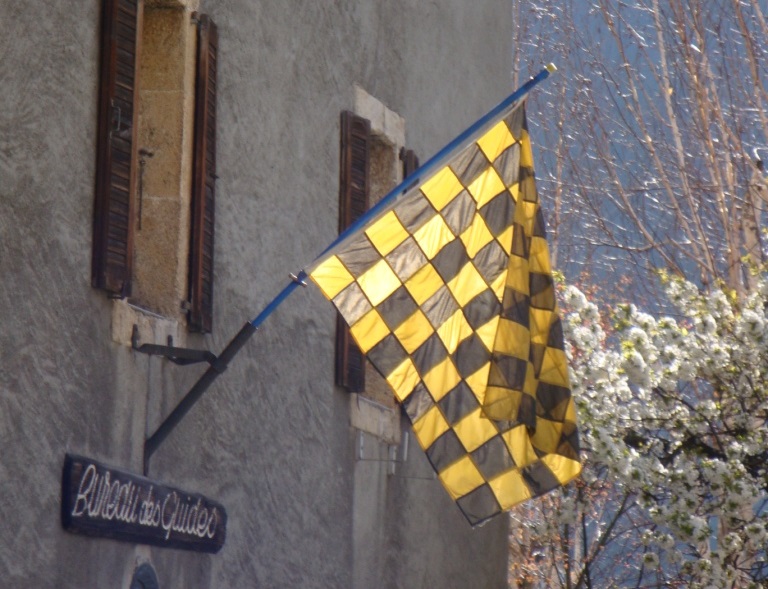
Avalanche risk levels are communicated using a standard scale and are displayed across ski areas. These ratings relate primarily to terrain outside marked and groomed pistes.
Yellow flag (risk level 1 to 2)
Snow is generally stable to moderately stable. Localised instabilities may still exist, particularly on steeper slopes.Yellow and black chequered flag (risk level 3 to 4)
Snow stability is poor on many steep slopes. Off piste travel requires experience, careful route choice, and appropriate safety equipment.Black flag (risk level 5)
Snowpack is extremely unstable. Off piste skiing or snowboarding should not be undertaken under any circumstances.
If you are unsure about current conditions, consult official avalanche bulletins or speak to qualified professionals. Local information centres such as the Maison de la Montagne provide up to date advice, and emergency services including Chamonix Mountain Rescue should only be contacted in the event of an incident.
Chamonix Mountain Rescue
If Someone in Your Group Is Injured on the Piste
If an accident happens on a marked piste, the first priority is to make the area safe. Place skis crossed in the snow above the injured person to warn approaching skiers. This is particularly important in poor visibility. If you are in a group, ask one person to stand uphill to signal and slow other skiers.
Once the scene is secured, provide first aid only within the limits of your training. Do not move the injured person unless there is an immediate danger.
Identify your location as accurately as possible. Check the name of the piste and the number shown on the nearest piste marker. This information is essential when contacting emergency services.
Call the emergency number listed on your piste map, as numbers can vary between ski areas. If phone reception is poor or you are unsure what to do, one person can ski to the nearest lift station or mid station to alert a pisteur, who can contact the rescue services directly.
In Chamonix, incidents on the mountain are handled by Chamonix Mountain Rescue, working closely with piste patrol teams across the ski areas.
Once help has been contacted, wait for the rescue team to arrive and follow their instructions. While waiting, do what you can to keep the injured person warm and comfortable. Insulate them from the snow using spare clothing, backpacks, or emergency foil blankets if available, and protect them from wind where possible.
Avoid giving food or drink unless advised by professionals, and do not attempt to move the injured person unless there is an immediate risk.
Good to know
Mountain rescue services in Chamonix are not free of charge. The cost of an on piste rescue is usually billed to the injured person or covered by their insurance, depending on the policy held. This is why appropriate travel insurance, including cover for mountain sports and rescue, is essential when skiing or snowboarding in the Alps.
Rescues are carried out by Chamonix Mountain Rescue in coordination with piste patrol teams across the valley.
Getting injured off-piste
Chamonix is internationally known for off piste skiing, particularly in areas such as Les Grands Montets. While this terrain is a major draw, it also carries increased risk and responsibility.
Not all ski insurance policies cover off piste rescue, especially if you are skiing without a guide. Before heading out, it is essential to check that your insurance includes off piste activity and mountain rescue. Rescue operations, particularly those involving helicopters, can be costly and are normally charged to the injured person or their insurer.
If an accident occurs off piste, follow the same initial steps as for an on piste incident. Secure the area if possible, provide first aid within your level of training, keep the injured person warm, and contact emergency services as quickly as possible
Getting injured outside the ski area
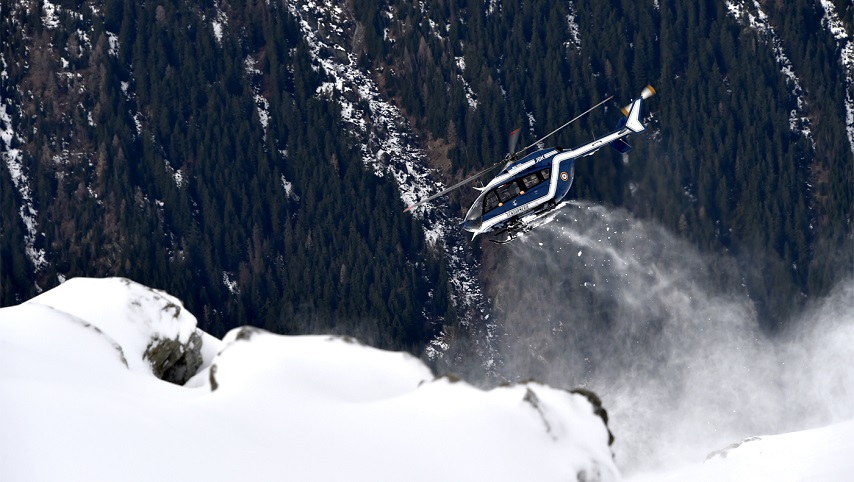
If an accident happens in the high mountain environment or outside the ski area, emergency response is handled by the PGHM (Peloton de Gendarmerie de Haute Montagne), the specialist high mountain rescue unit in France.
If you are involved in or witness an accident in these conditions, call:
112 (European emergency number)
04 50 53 16 89 (PGHM Chamonix)
When contacting the rescue services, be ready to provide clear and accurate information:
Who are you
Provide your name and a phone or radio contact number.Where are you
Give GPS coordinates if possible, or the name of the massif, peak, route, or area. Mention any nearby hazards or obstacles.What has happened
Explain the circumstances of the accident.Who is injured
State how many people are involved and any relevant details such as age or condition.
Providing detailed information helps the rescue teams respond quickly and appropriately.
For further guidance and safety advice, local resources include La Chamoniarde and the Maison de la Montagne in Chamonix town centre.
Photos © Eric Courcier