
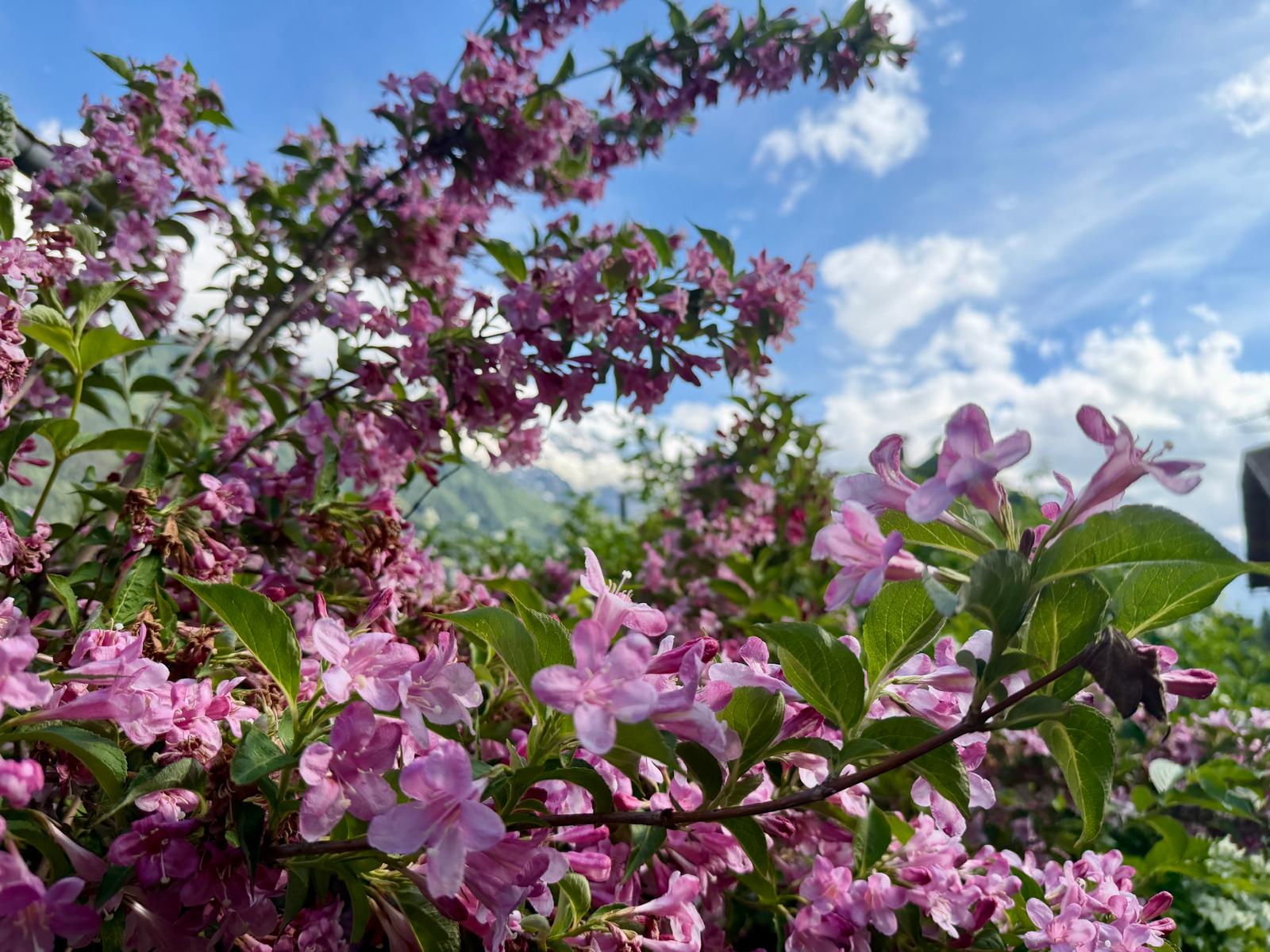
Chamonix valley has a way of quietly evolving between seasons. A new opening here, or a familiar building that looks quite different to how you remember it. This summer there is rather more of that than usual, and some of it is genuinely significant.
Here is what is new, what has changed, and what is worth knowing before you arrive.
The Musée du Mont-Blanc opens in July
This is the biggest cultural news the valley has seen in years. The former Musée Alpin closed in September 2021 for a full transformation and reopens on 11 July 2026 as the Musée du Mont-Blanc. It is a completely different institution to what came before.
The building on Avenue Michel Croz, one of Chamonix’s three historic palace hotels, has been extensively restored. The original rotunda has been rebuilt, the entrance repositioned towards the Arve, and the interior redesigned across two levels to create 1,200m² of exhibition space, double what the old museum offered.
Inside, three permanent galleries trace the relationship between people and the mountains of the Mont Blanc region. Adaptations covers the transformation of a pastoral valley into a tourist capital. Exploits takes visitors through the conquest of high mountains, from the first ascent of Mont Blanc in 1786 to the present day. Landscapes offers an artistic journey through Alpine scenery, including majestic paintings by Gabriel Loppé, the first painter to work at high altitudes.
Among the objects on display: the original alpenstock used by Jacques Balmat on the very first ascent of Mont Blanc on 8 August 1786. Lost for two centuries before being rediscovered by chance with its certificate of authenticity, this 2.71 metre pole is now in the Exploits gallery. It is quite something to stand next to.
The museum also looks forward. A prospective section gives voice to scientists working in the region today, and a time-lapse video traces the valley from the last ice age through to the year 2100.
The opening temporary exhibition, Métamorphoses du Regard: Les Alpes Magnifiées, runs from 3 July 2026 to 30 April 2027 and features Alpine prints from the 18th to the early 20th century. The museum is open Wednesday to Monday (closed Tuesday), 10am to 1pm and 2pm to 6pm.
One last thing worth knowing: the museum is the flagship of a network of six valley museums, all accessible with a single Pass Musées at €25 per year. Good value if you plan to explore more of the valley’s cultural sites, and discounts are also available if you stay with Chamonix All Year (as we will provide you with a guest card when you pay tourist tax).
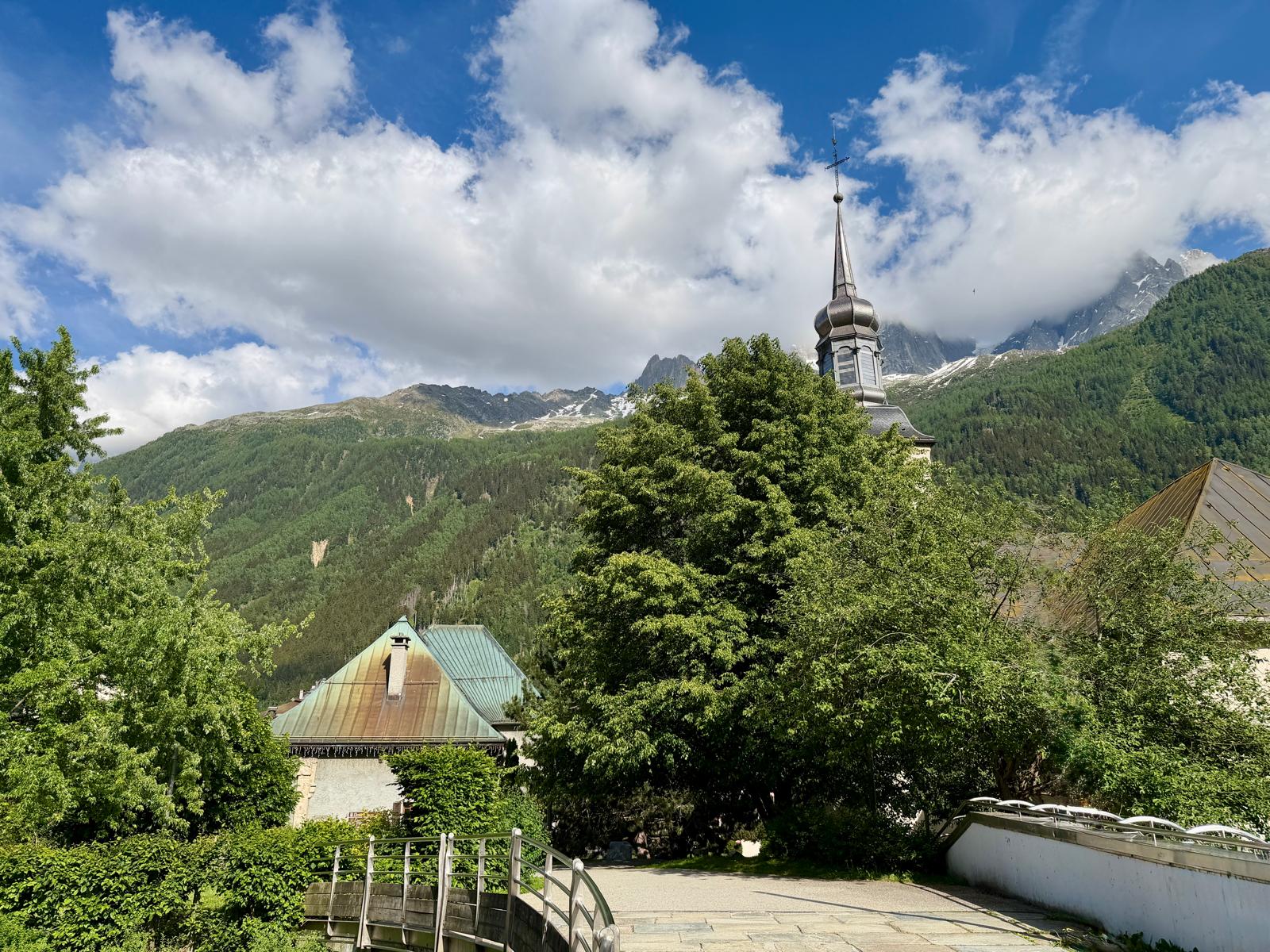
Montenvers: a new way to experience the glacier
The Mer de Glace remains one of the most visited natural sites in France, and the experience around it continues to evolve. This summer a project called Kraks brings the glacier’s hidden sounds to the valley floor.
Glaciologist Ugo Nanni has spent years recording glaciers through seismological instruments, capturing their murmurs, vibrations and movements. Ten listening stations are now installed across the valley. Pick up the headphones and you can hear the sounds of the Argentière glacier, the Kongsvegen glacier in Svalbard and others. It is a genuinely moving experience that brings the science of glacier change into everyday life.
Up at Montenvers itself, weekend sessions with resident glaciologists run from 13 June through to 13 September, at the base of the gondola and on the panoramic terrace.
The little red train still makes its 20 minute journey from central Chamonix up to the 1,913m station and the gondola descends to the ice. The Glaciorium interpretation space is open daily through the summer. Do note that the gondola and ice cave reopen in early June after maintenance closures, so if you are visiting in the first half of June it is worth checking current access before you go.
For more on visiting Montenvers, take a look at our guide to the Mer de Glace.
The Chalet du Col des Montets reopens
After a significant renovation, the Chalet du Col des Montets at 1,452m is reopening in June 2026 as a revamped nature education centre. Originally opened in 1976 as the gateway to the Aiguilles Rouges Nature Reserve, it has been completely reimagined inside and out.
In the basement, an immersive exhibition retraces the history and biodiversity of the reserve. Outside, a new accessible footbridge and viewpoint offer a fresh perspective on the small lake and the Chamonix Aiguilles. The chalet is also the anchor point for a new Climate Adventure Area, one of five interactive discovery trails launched across the valley to help visitors understand how climate change is reshaping Alpine ecosystems. Entry is free.
It’s easy to reach without a car — take the Mont Blanc Express train to Montroc and it’s a gentle, flat walk of around 10–15 minutes along the valley to the col.
Merlet Animal Park: a planned closure to know about
If you are planning a visit later in the year, it is worth knowing that Merlet Animal Park above Les Houches will close from 30 September 2026 until 1 May 2028. After nearly 60 years of welcoming visitors, the pasture needs time to regenerate. Manager Claire Cachat is replanting species better adapted to climate change and restoring the floral diversity the animals depend on. The park remains open all summer up until that date, so it is very much worth a trip if you are here before autumn.
New places to eat and drink
There has been a lot of movement on the food and drink front.
Maison Fattier, already the mother company of Aux Petits Gourmands and the Chalet 4810 chocolate shop, is opening a new bakery on rue Docteur Paccard in early June. Fifteen varieties of sourdough, all baked on site, under the direction of Pierre Rinkenbach, the 2023 French Bakery Vice-Champion and 2025 world bronze medallist. Definitely one to build into your morning.
Mimosa is a new café and flea market concept on avenue de l’Aiguille du Midi, created by three women from the valley. The idea is simple: everything on the tables and walls is for sale. Sunday brunches run at €15 or €28, and they also offer takeaway picnic baskets at €14 for days in the hills. Open seven days a week.
Ārūdha by Hugo Lemercier has moved to a new home at Les Chalets de Philippe in the hamlet of Le Lavancher, with an intimate 22 cover setting for his Indo-Alpine tasting menus. Lemercier made his name at the Auberge des Gorges in Servoz and his cooking blends local terroir, Indian spices and contemporary technique in a way that has attracted serious attention. He is also launching a second concept this summer, Le Jardin Alpin, focused on regional cheese specialties.
Maison Carrier at the Hameau Albert 1er has a new head chef. Grégoire Fracassetti spent ten years as sous-chef at the property before stepping up to lead the kitchen. The soul of the place stays the same, traditional recipes and seasonal mountain ingredients, with a fresh perspective behind the stove. Three course menus from €39.
Breizh Café has brought Breton crêperie culture to Chamonix, with a local twist: Savoyard cheeses including Reblochon and Raclette from artisan cheesemaker Joseph Paccard. El Chaltén offers genuine Argentine empanadas from a central Chamonix location, with indoor and outdoor seating. And La Guinguette des Chavants in Les Houches has reopened with a new kitchen team. Particularly good for Sunday brunch from 11am to 3pm by the lake, while children use the playground nearby.
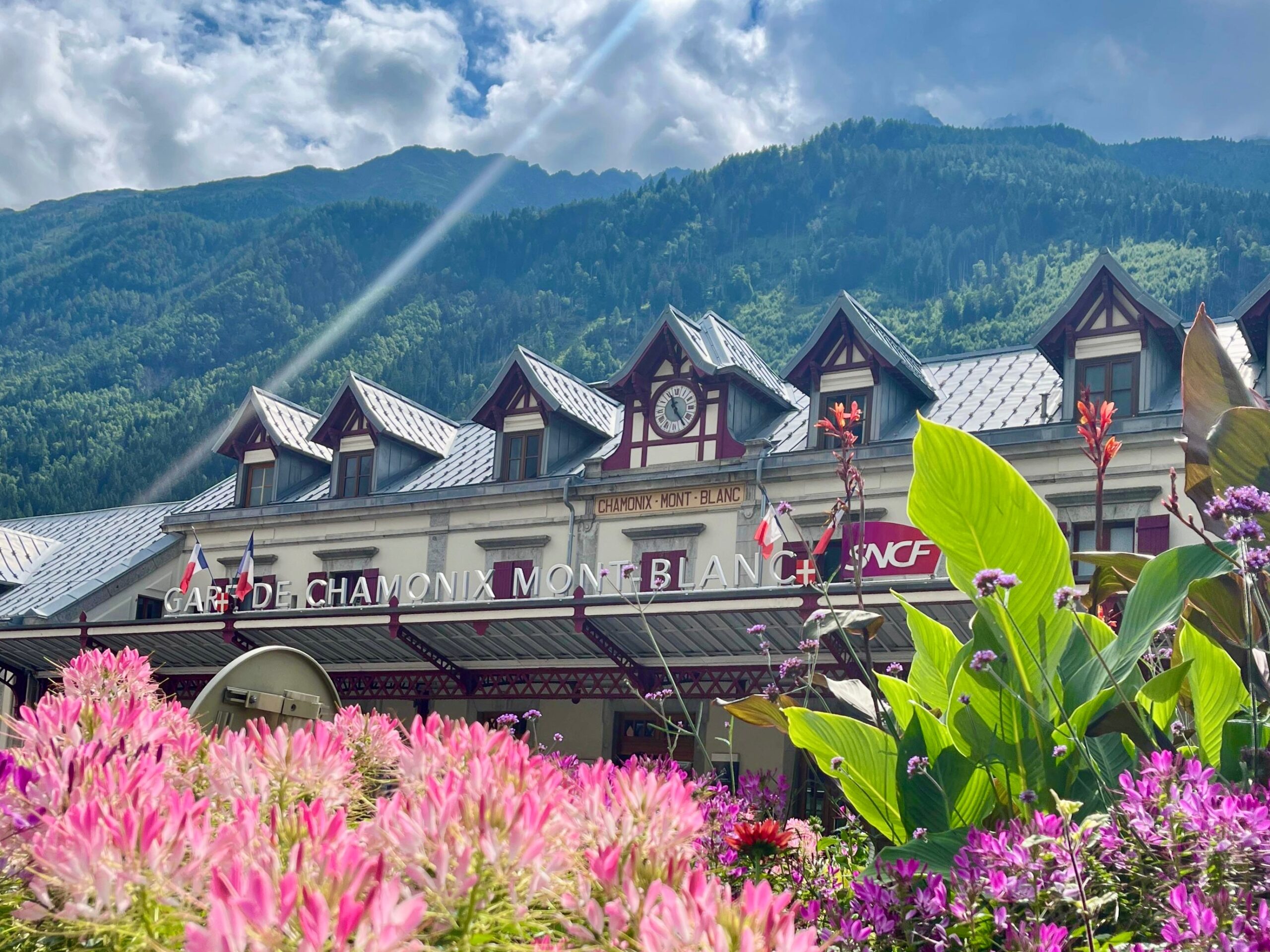
New shops and a distillery in town
Altitude Gin has moved from its original home in Les Houches to a new boutique distillery at 59 Avenue Michel Croz in the heart of Chamonix. The brand was founded in 2017 by three friends using Alpine botanicals and pure Alpine water, and this season launches a new pink gin infused with strawberries and wild woodland strawberries. The new space has a 200 litre copper and steel still and stocks the full Made in Chamonix spirits range, as well as providing tastings. A portion of profits goes to CREA Mont-Blanc, the research centre studying climate change and Alpine biodiversity.
After is a new premium secondhand boutique at 48 rue du Docteur Paccard, next to the existing After Ski shop. Curated by Julie, a fashion antiquarian with an eye for exceptional pieces, the space stocks Hermès scarves, designer handbags and tailored jackets sourced from Brussels, Milan, Geneva and Paris. Small but carefully done.
HOKA has opened its first Chamonix store in the town centre. The brand was founded in the Alps in 2009, has sponsored the UTMB since 2022, and now has a permanent home here with the full footwear, clothing and accessories range. Open daily.
Swing House, Chamonix’s first indoor golf centre, is open year-round with ultra-realistic simulators, a friendly bar and live sports on screen. Good for an afternoon when the weather closes in, and genuinely enjoyable for a group.
The Simond heritage space at the brand’s striking headquarters at the entrance to Chamonix (just off the Mont Blanc tunnel roundabout, rond-point de la Vigie) is also expanding this summer, tracing the journey of this legendary mountaineering equipment maker through more than 300 objects from archival documents to historic ice axes and crampons. Free entry every Wednesday from 2pm to 5:30pm.
Planning your summer
There is a lot to look forward to in Chamonix this summer. If you are still working out when to come, our piece on what to do in Chamonix in summer covers the full picture, and our four seasons overview is useful if you are weighing up timing.
We also have a What’s On: Summer 2026 post coming soon with the full calendar of festivals, races and events across the valley.
When you are ready to book, take a look at our full range of chalets and apartments across the valley, or browse our current special offers. Our team has been based here year-round since 2003 and is happy to help you find the right property. You can also get in touch directly with any questions.