Skiing in Chamonix: Everything You Need to Know
Skiing in Chamonix: Everything You Need to Know
Chamonix is one of the world's great ski destinations. It is the birthplace of alpine mountaineering, home to the Mont Blanc massif, and a magnet for skiers of every level. This guide covers the essentials of skiing in Chamonix: the ski areas, the lift passes, when to go, and where to head for your ability.
One thing surprises first-time visitors. Chamonix is not a single linked ski area. It is a valley of separate areas, each with its own character, connected along the valley floor. That takes a little planning, but it also gives you huge variety from one base.
Chamonix's ski areas
There are four main ski areas, plus several smaller slopes for beginners. Only Brévent and Flégère are linked to each other. For the rest, a bus or the valley train gets you between them.
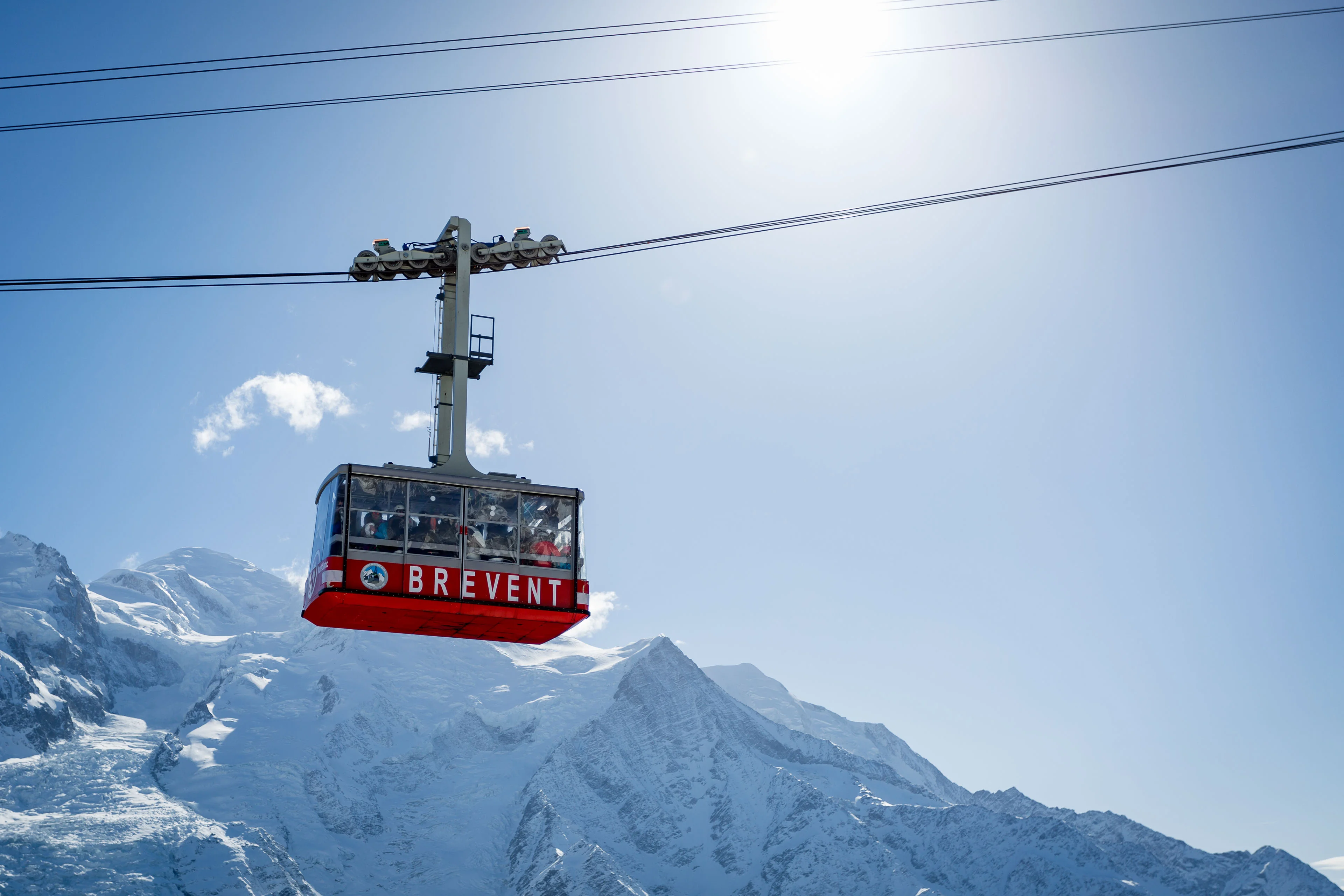
- Le Brévent is the closest area to town, with a mix of terrain and long runs facing Mont Blanc.
- La Flégère sits across the valley and links to Brévent, with sunny, open pistes.
- Les Grands Montets in Argentière is the big one for strong skiers, famous for its off-piste. Note that the very top cable car is still out of action after the 2018 fire, so the highest lift is currently the Bochard gondola at 2,765 metres, still plenty high for great snow.
- Le Tour and the Domaine de Balme is the gentle, sunny, south-facing area at the top of the valley, popular with families and improvers.
For first turns, the smaller slopes at Les Planards, Le Savoy, Les Chosalets and La Vormaine are ideal. Les Houches, further down the valley, is a separate family-friendly area with tree-lined runs and the famous Kandahar World Cup piste.
The Vallée Blanche
No guide to skiing in Chamonix is complete without the Vallée Blanche. This legendary off-piste descent drops from the top of the Aiguille du Midi down the Mer de Glace glacier, running to around 20 kilometres. It finishes at Montenvers, where a charming little mountain train carries you back down to town. It is not a marked piste, so you will need a qualified guide and a good level of fitness and experience — but for many skiers, it is the trip of a lifetime.
Which lift pass do you need?
There are two main passes, and the right one depends on your plans.
- Mont Blanc Unlimited is the all-access pass. It covers every ski area in the valley, Les Houches, the Aiguille du Midi and other sightseeing lifts, and partner resorts in Italy and Switzerland. Choose it if you want the Vallée Blanche, the big sights, cross-border skiing, or, if the weather is looking snowy, some tree skiing at Les Houches.
- Chamonix Le Pass covers the central Chamonix ski areas only. It does not include Les Houches or the Aiguille du Midi. It is the better-value choice if you plan to ski locally and skip the excursions.
Prices change each season, so check the current rates in our guide to Chamonix ski passes. You can book your pass yourself through our Resort Shop before you arrive.
Skiing in Chamonix for every level
Chamonix has a big reputation for expert terrain, but there is plenty for everyone.
Beginners are best off at Les Houches, Le Tour or the nursery slopes at Les Planards. The gradients are gentle and the atmosphere relaxed. Intermediates will enjoy Brévent, Flégère and Le Tour, with long cruising runs and views the whole way down. Experts gravitate to Les Grands Montets and its off-piste, then to the Vallée Blanche with a guide.
New to the valley? Our guide on what to know before visiting Chamonix is a useful read before you go.
When to ski in Chamonix
The higher slopes open at weekends in early December, once there is enough snow to cover the mountain, with the full resort opening about a week before Christmas. The season runs into early May, with Grands Montets usually the last area to close, around the first weekend of May. Dates shift with the snow each year, so check before you book.
For the most reliable snow and the widest choice of terrain, mid-January to the end of March is the sweet spot. Wondering what the season has in store? Our post on El Niño and the European ski season explains why the Pacific matters less than the headlines suggest. For the bigger picture, see our complete guide to Chamonix winter.
Getting to the slopes
Most skiers fly into Geneva, around an hour and 15 minutes away, then continue by transfer, train or car. Our guide to getting to Chamonix runs through every option, including a useful tip on transfers in the quieter months.
Once you are here, a bus and the valley train link the different ski areas, so you do not need a car to get between them.
Skiing sustainably
Chamonix sits in a fragile alpine environment, and small choices add up. From taking the train to picking greener habits on the mountain, our guide to a sustainable ski holiday in Chamonix has practical ideas for a lighter trip.
Plan your ski trip to Chamonix
Sorted your skiing? The last piece is somewhere to stay. Browse our Chamonix accommodation and we will help you find the right chalet or apartment, close to the lifts and the town.
Frequently asked questions
Is Chamonix good for beginners? Yes. While it is known for expert terrain, there are gentle, well-suited areas at Les Houches, Le Tour and the Les Planards nursery slopes. Just keep in mind that the beginner areas are spread around the valley rather than all in one spot.
Which ski pass should I buy for Chamonix? For most visitors who want the full experience, including the Aiguille du Midi and the Vallée Blanche, Mont Blanc Unlimited is the pass. If you plan to ski the central areas only and skip the big excursions, Chamonix Le Pass is better value.
Do you need a guide for the Vallée Blanche? Yes. The Vallée Blanche is an off-piste glacier route, not a marked run, so it should only be skied with a qualified mountain guide.
When is the best time to ski in Chamonix? Mid-January to the end of March usually offers the most reliable snow and the full extent of the terrain. December brings a festive feel, and spring skiing can be excellent at altitude.
Are the Chamonix ski areas linked? Only Brévent and Flégère are linked to each other. The rest are separate areas, connected by the valley bus and train, so expect a short journey between them.